
Wavi · Second-hand fashion marketplace
I built a marketplace, the operation and the software behind it.
In short
Women in the UAE had good clothes and nowhere to sell them between donation and luxury resale. My co-founder and I built Wavi to handle everything for them. We ran the service by hand first, then scaled it with automations, dedicated storage, and a seller portal and admin system synced with Shopify. Sellers came on their own, but buyer demand never caught up, and we learned the hard way the importance of proving the riskiest assumption as fast as possible.
- My role
- Co-founder / Product
- Scope
- Brand, storefront, marketplace operations and seller tools
Good clothes needed somewhere between donation and luxury resale.
The idea began at home. My wife wanted to clear clothes she no longer wore, but the useful middle ground was missing. Donation made sense for some items. It made less sense for pieces that were almost new or from good brands. At the other end of the market, platforms such as Vestiaire Collective and The Luxury Closet were built around luxury.
We started asking people we knew. My wife spoke with coworkers and friends; I did the same on my side. We also looked through local forums, Dubizzle and Facebook Marketplace. Not every woman had the problem, of course. We didn’t need every woman. We found a recognisable group of fashion-conscious expat women with good clothes, limited patience for selling them one by one, and no service designed for the job.
That gave us reasonable evidence for the supply side. The demand side was much less certain.
We believed there might be another group of women who wanted better-quality clothes without paying full retail prices. The demographics and income data made the market look plausible, but we had little direct evidence that those women would buy second-hand clothes from us. We knew this was the biggest risk from the beginning.
Our reasoning was that a buyer couldn’t meaningfully judge an empty marketplace. Before testing demand, we needed enough genuine stock and enough variety for someone to find something worth buying. The test needed a real catalogue, not an empty storefront.
There was only one small complication: a real catalogue had to be collected, checked, photographed, priced, listed and stored somewhere.
Two people, one car and whatever it took to get Wavi moving.
We didn’t begin with a warehouse, a logistics system or a custom platform. We began with two people, some spreadsheets and our own car.
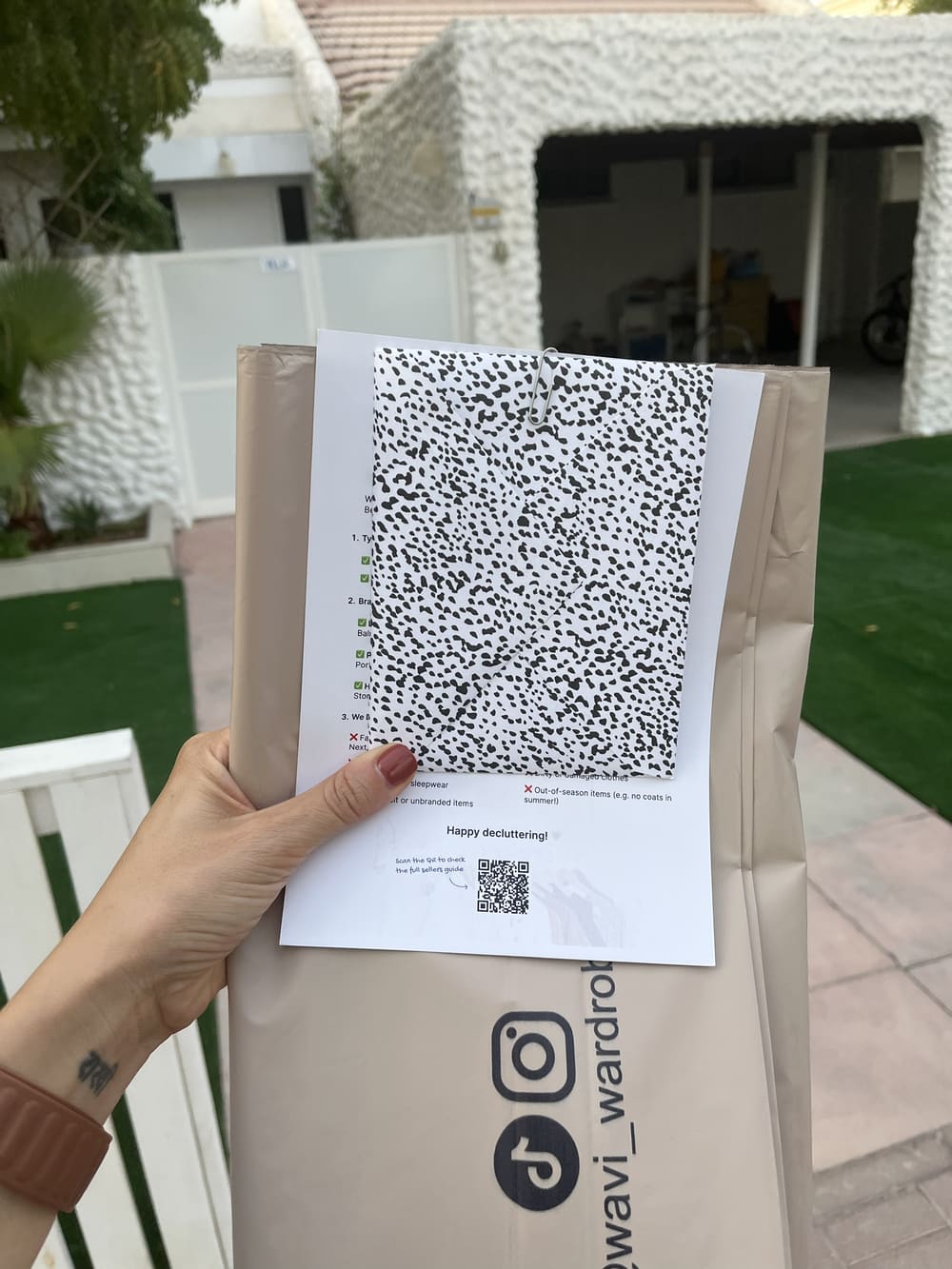
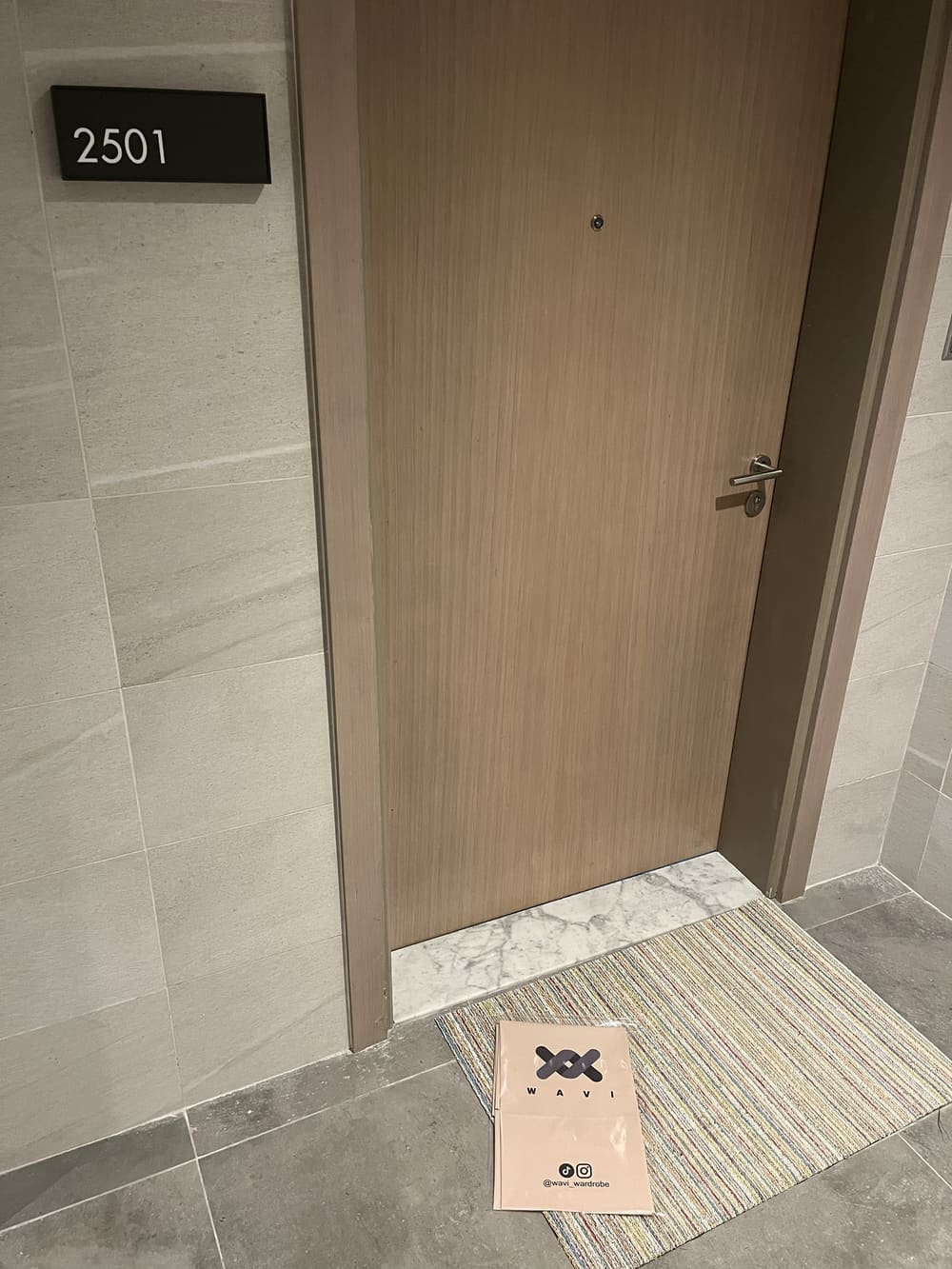
When a seller wanted to use Wavi, we delivered the bags ourselves. Once she had filled them, she messaged us on WhatsApp and we went back to collect them. At home, we opened each bag and worked through the full process: inspect every item, decide what we could accept, sort it, photograph it, price it and create the listing. Our home was also the first Wavi storage facility, which sounds more impressive than “clothes everywhere.”
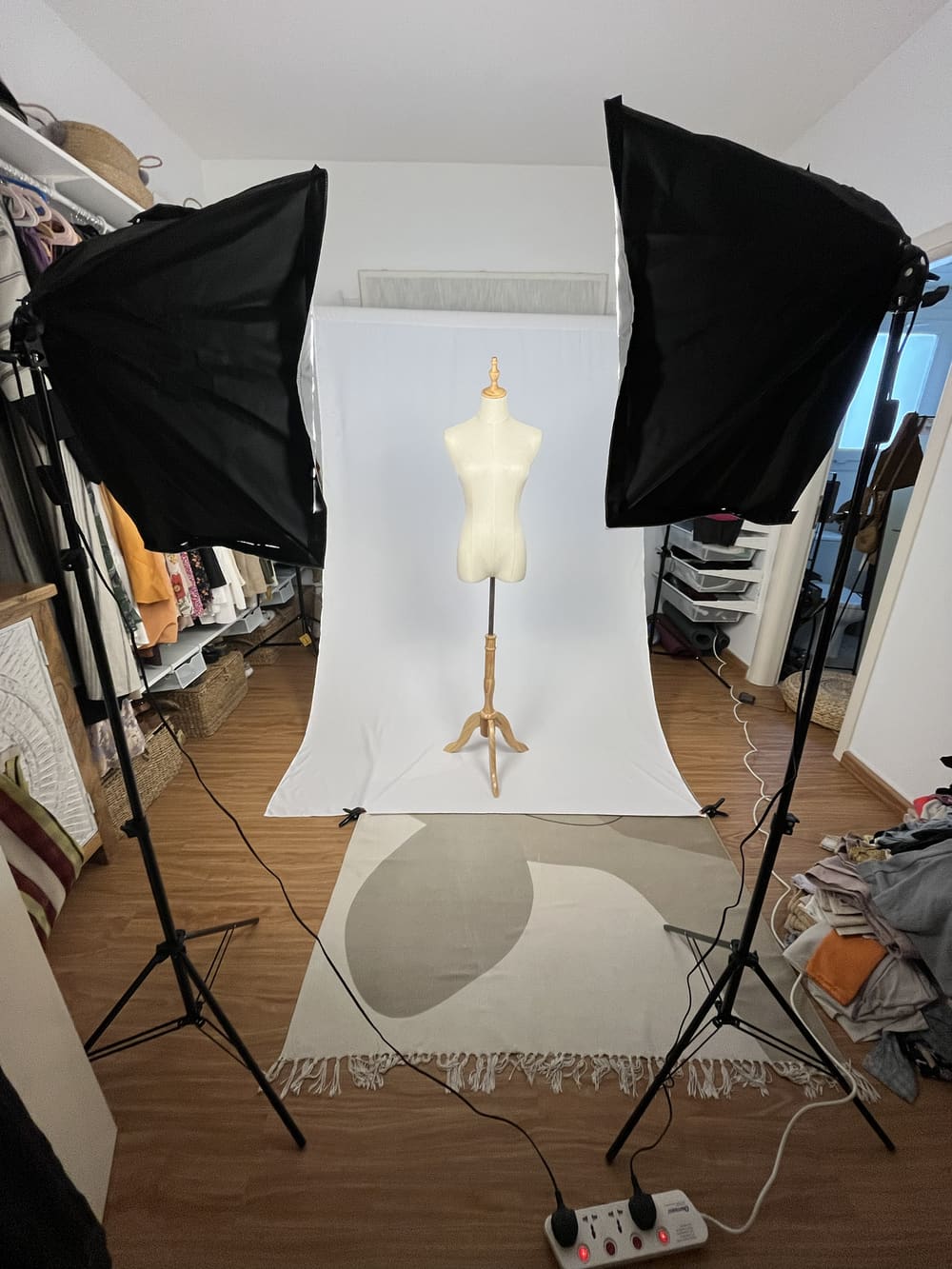
We also turned part of our home into a scrappy photo studio. A mannequin, a white backdrop and two softboxes gave us a repeatable setup for photographing each item. The room was still unmistakably part of our home, but the product images needed to look as professional as possible.
The manual work was useful. It showed us what “we’ll handle everything” really meant. For sellers, the service removed the awkward parts of resale: no photography, no listings, no buyer messages, no negotiating and no shipping. For us, every item became a chain of small decisions that had to remain connected from the moment a bag arrived until the item sold, was returned or was donated.
We set clear acceptance criteria and inspected every piece. Items needed to be clean, in good condition and suitable for resale. On the buyer side, we explained each condition grade, photographed visible defects and offered seven-day returns when an item was incorrect or damaged. Trust wasn’t a badge we could add later. It began with what we accepted and how honestly we described it.
At first, spreadsheets were enough to keep the pieces together. We were still learning the workflow, and changing a column was cheaper than changing a product. Then people started sending us more clothes.
Sellers loved Wavi faster than we could scale it.
We didn’t need to buy seller demand. Women found Wavi through friends, social media and search, requested bags and trusted us with good-quality clothes. Sometimes we had to slow the intake because two people couldn’t process the bags quickly enough.
It was a nice problem to have. It was still a problem.
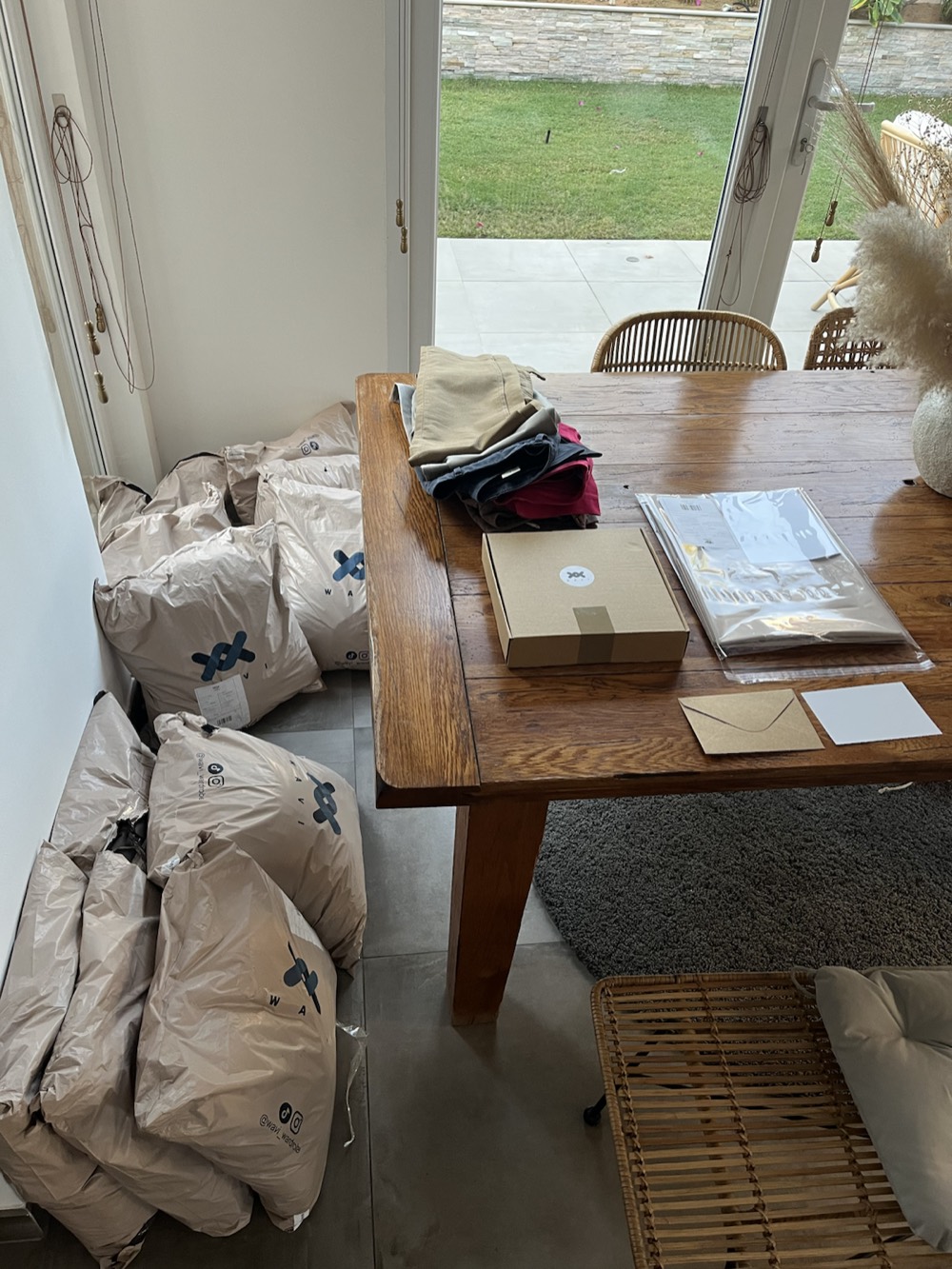
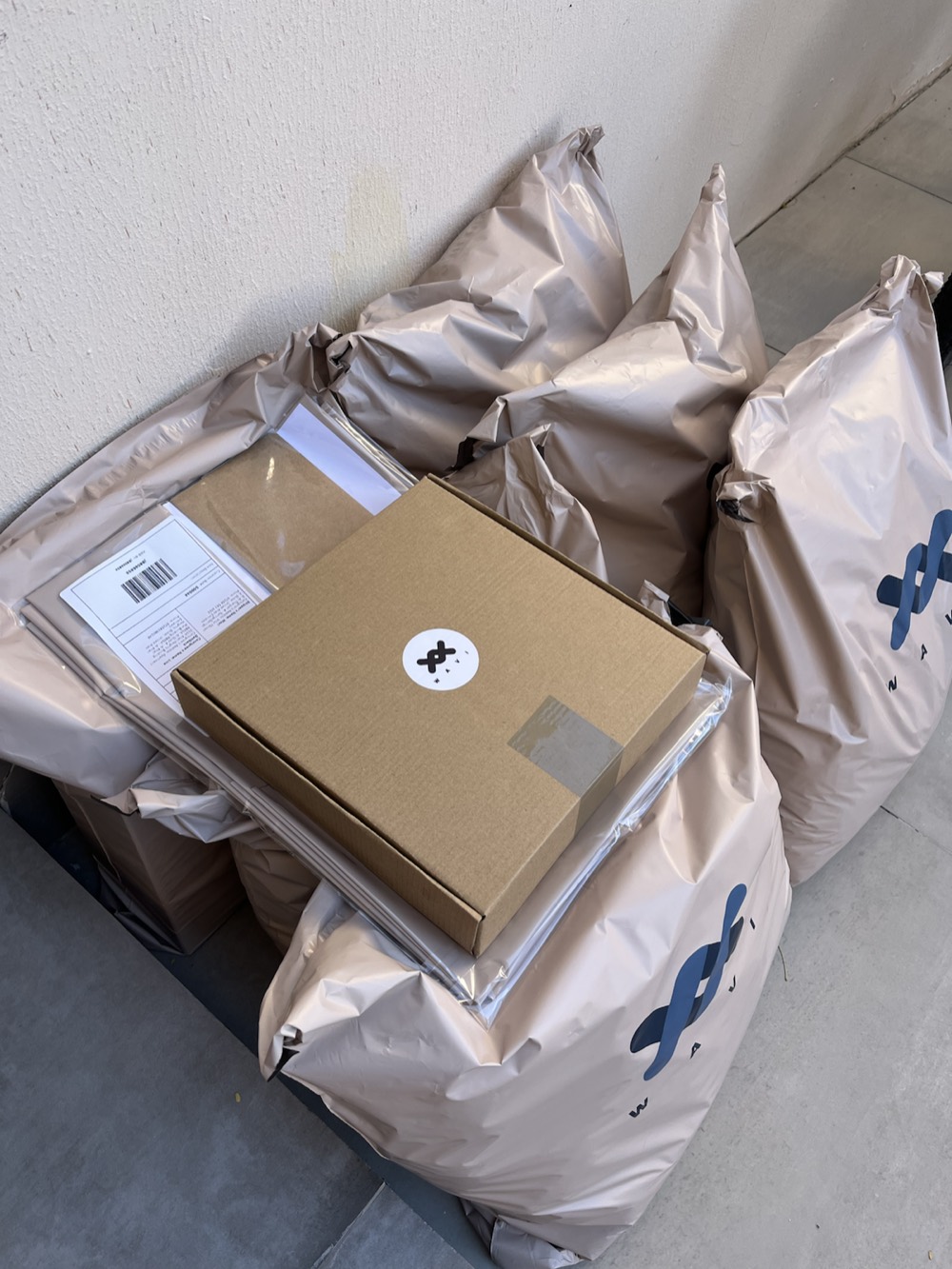
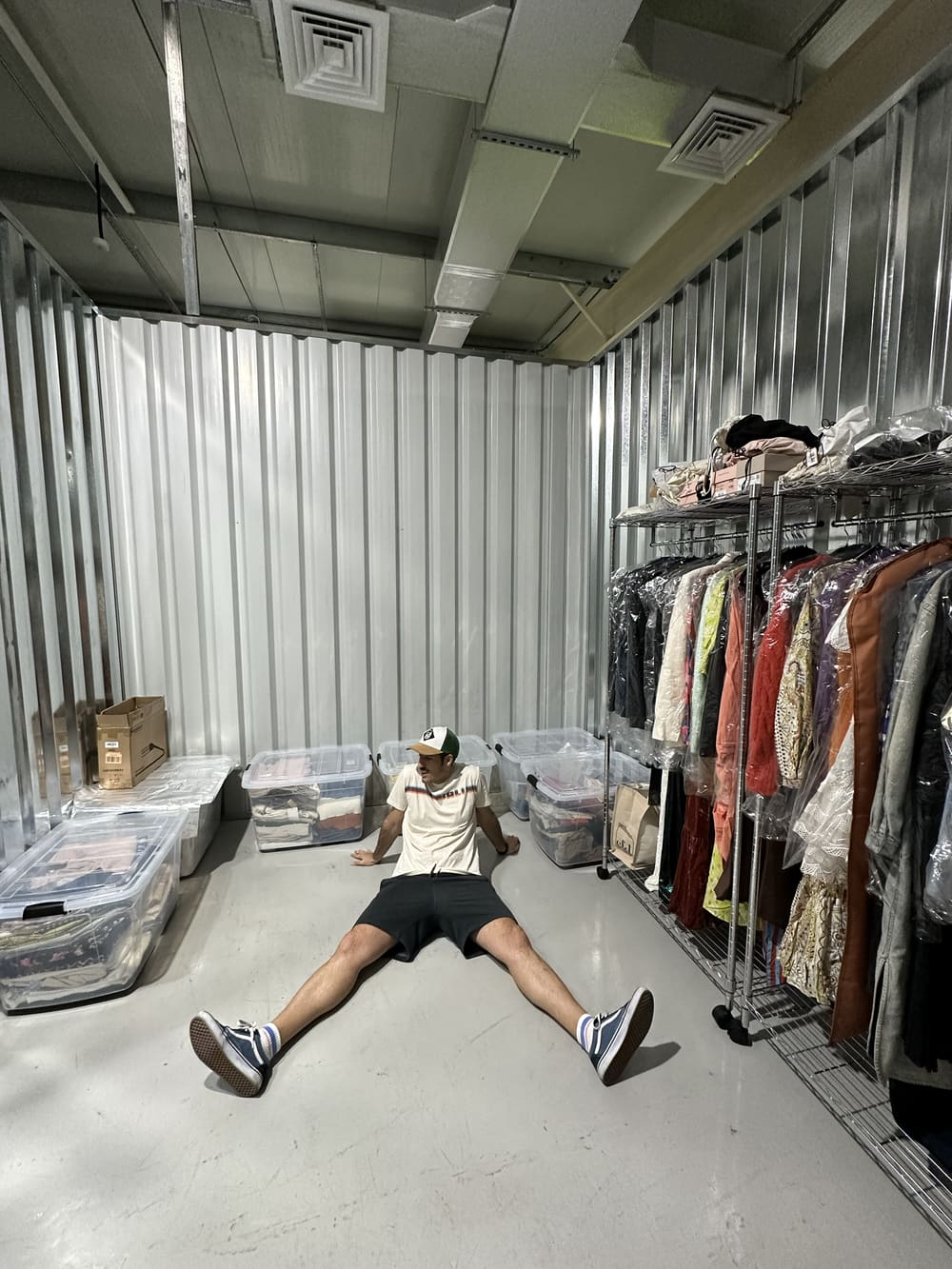
We improved the operation in the order the pressure arrived. Delivering and collecting bags ourselves became unsustainable, so we found a reliable courier partner. Spreadsheets became Airtable tables, formulas and Zapier connections. When our home ran out of room, we rented dedicated storage. Each change removed work we understood because we had already done it ourselves.
The economics shaped the service too. Every bag carried collection and processing costs, so fuller bags made each item less expensive to handle. We created social posts, a seller guide and a small leaflet for the bags to explain what Wavi could accept and how to use the space well. At item level, we needed a minimum price and a tiered commission model that could cover the work behind lower-value pieces without making higher-value sales unattractive to sellers.
Time mattered at both ends of the process. Clothes needed to move from arrival to the storefront quickly, and items that didn’t sell couldn’t occupy storage forever. Pricing, processing speed and stock age weren’t separate operational details. Together, they determined whether the model had a chance of working.
Airtable and Zapier made the internal workflow more manageable, but the seller experience was still rather manual. If someone wanted to know which items were live, what had sold or when a payout was coming, she had to message us on WhatsApp or search for her clothes on the storefront. The next bottleneck was no longer just a spreadsheet problem.
I learned the engineering I needed to build the seller portal.
The seller portal wasn’t part of the original idea. It emerged after the manual version had taught us where information went missing, which questions kept returning and which mistakes would become expensive.
I had no formal software engineering background, so I used AI coding tools to help me learn the engineering I needed as I designed, built and tested the portal. The operational decisions were mine because I knew the workflow firsthand, from collecting a bag to reconciling a payout.
The portal used daily Shopify synchronization so sellers could see the items we had listed for them, whether each item was available or sold, and the status and detail of their payouts. Completed payouts included a receipt instead of another message disappearing into a WhatsApp thread.
Behind that seller experience was an admin system connecting seller records to stock and orders. It calculated and grouped payouts, tracked their state and kept an audit trail when something changed. I also built recovery and observability around the daily synchronization so I could see whether the operation was healthy and intervene when it wasn’t.
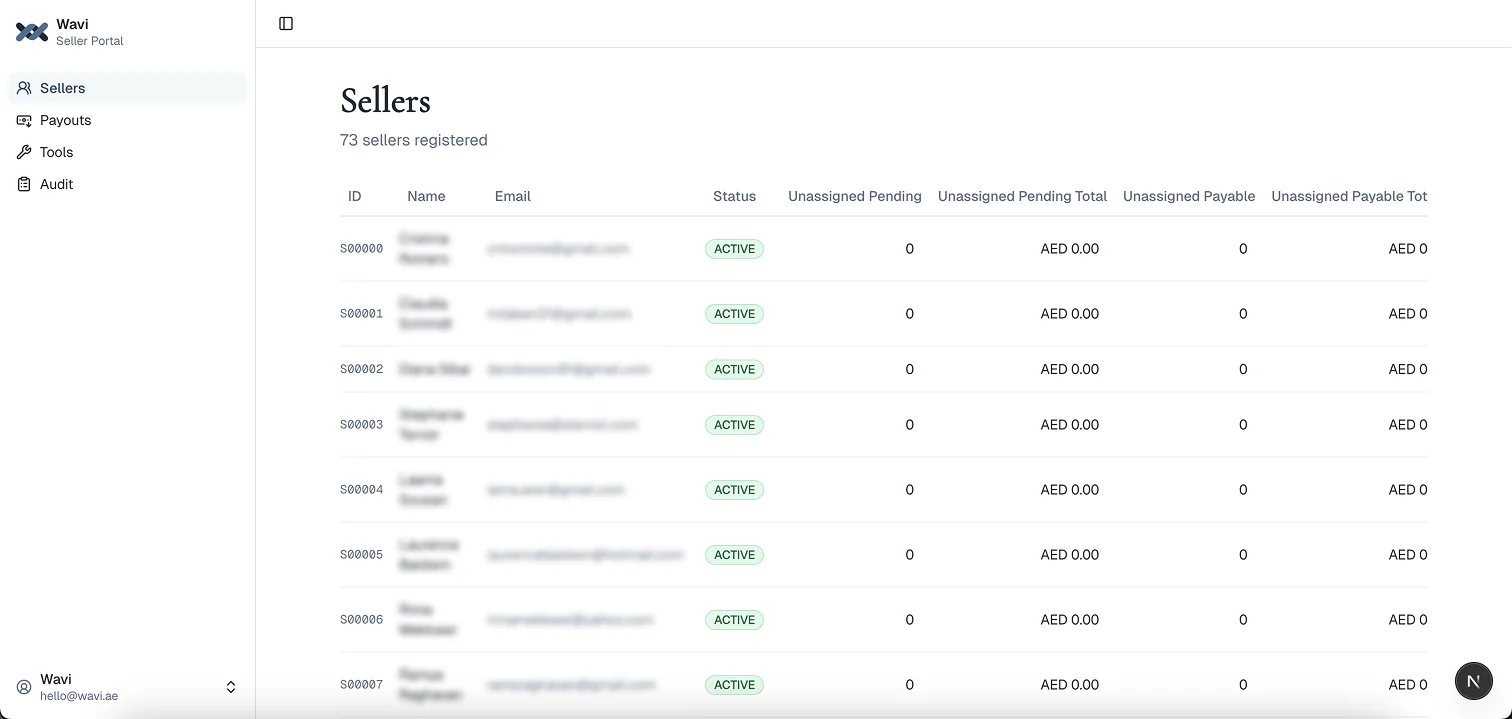
A few sellers used the portal, and we used its admin tools in our day-to-day operation. That is a modest adoption claim, but it solved a real problem. Sellers no longer needed to search the shop for their clothes or message us whenever they wanted an update. We spent less time assembling status and payout information by hand, and the business gained a clearer operational backbone.
I didn’t start by deciding to build a software platform. I started by carrying bags and updating spreadsheets. By the time I wrote the portal, the workflow and its failure points were no longer theoretical.
We earned seller trust. Buyer demand was the next test.
Once the catalogue had enough genuine choice, we turned to the question we had known was waiting for us: would anyone buy it?
We tried several routes into the market. We posted daily content on Instagram and TikTok. We partnered with micro-influencers who shared their experience of Wavi. We also ran paid Instagram campaigns, sometimes testing dozens of creative variations to see which message and product mix earned attention.
The influencer content and ads generated engagement. Within the limits of our budget, they also brought meaningful traffic to the shop. What they didn’t bring was enough purchasing.
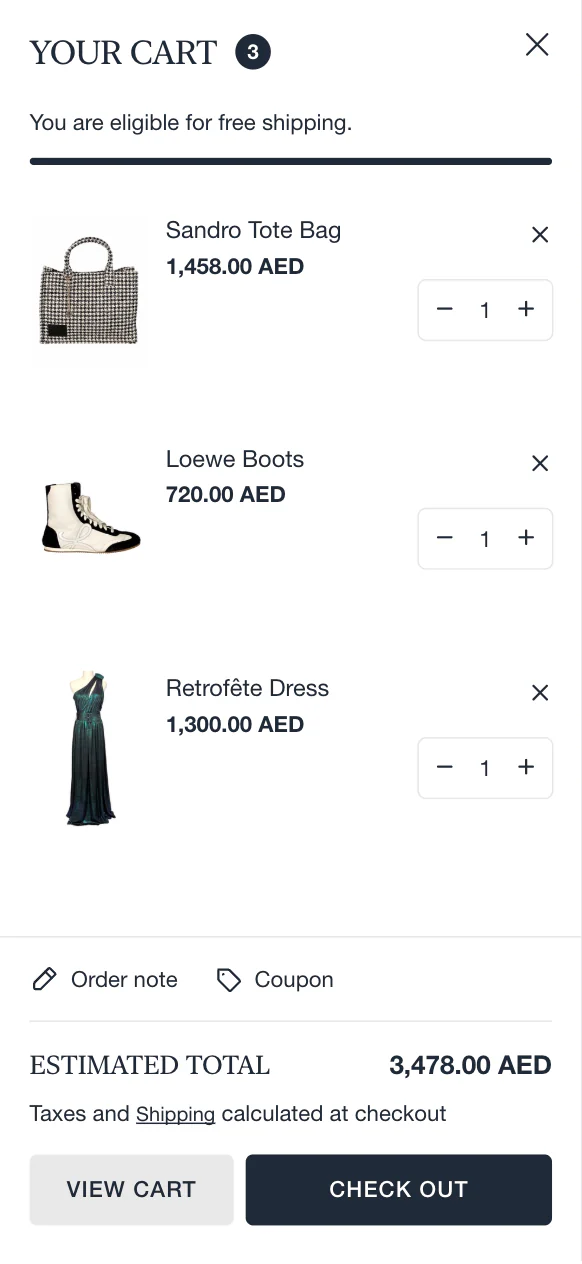
The funnel wasn’t failing in one clean place. Many visits ended before an item reached the cart. Other shoppers added products and stopped before payment. We wondered whether the catalogue was still too small, whether the prices were too high, or whether the right clothes simply weren’t reaching the right buyers.
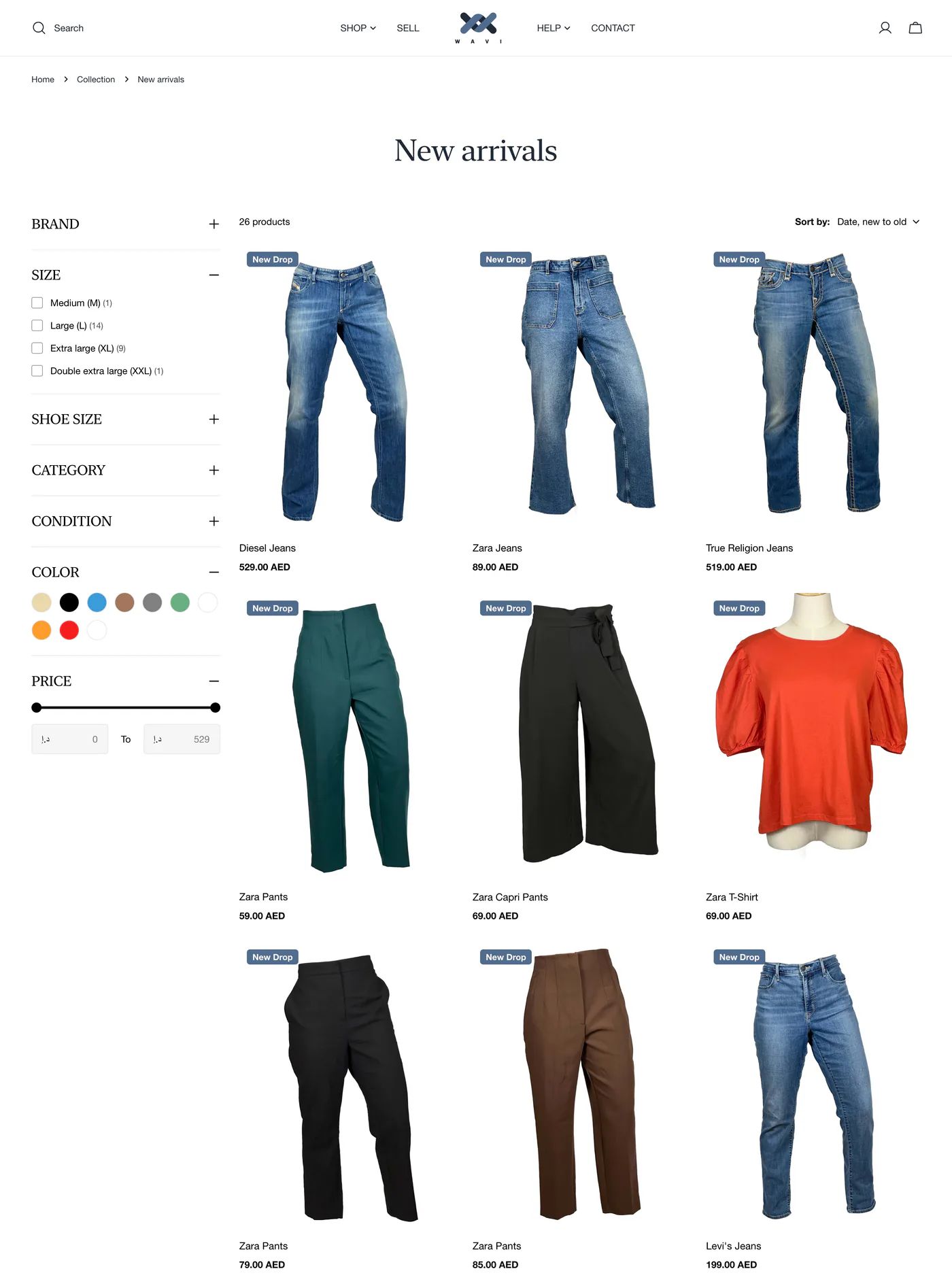
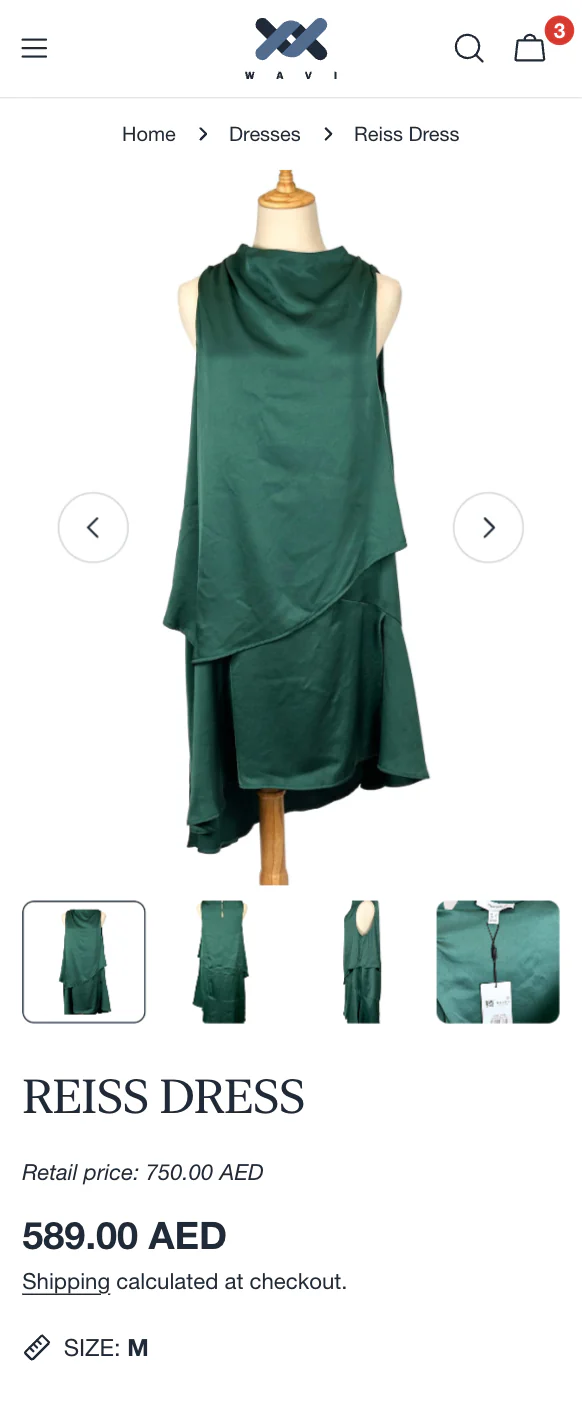
We automated discounts based on how long an item had been in stock, increasing the reduction as it aged. Sales didn’t improve enough to show that price was the main problem. Selection may have mattered too. So might have other things we hadn’t identified.
This is where our diagnosis stopped short. We could see where people left the funnel, but we didn’t speak with buyers or the people who browsed and walked away. The analytics showed us where people stopped. They didn’t tell us why.
We built the real thing and learned the hard way.
Buyer demand wasn’t looking good. Finding out whether we could change that would have required more acquisition, more experimentation and a better qualitative understanding of the people who chose not to buy.
At the same time, difficult personal circumstances made it impossible for us to keep running the operation and push through that uncertainty. We closed Wavi before completing the buyer-side diagnosis. It wasn’t one failed discount experiment that ended the business, and we didn’t prove that the market could never work. We had an unresolved demand problem and no longer had the capacity to resolve it.
The obvious retrospective lesson would be to validate buyers before building supply. The honest version is less convenient. A second-hand marketplace with too little stock is not a very useful demand test. We needed real clothes, genuine variety and a working service before a purchase meant much.
We built that test about as leanly as two people could. Getting to a decisive answer faster would probably have meant doing the opposite: hiring someone to help process the bags while spending more aggressively on buyer acquisition. That might have taught us more, sooner. It would also have increased our financial risk considerably.
There wasn’t a clever shortcut hiding in a workshop. A catalogue of fake items and a checkout that went nowhere might have measured clicks, but it wouldn’t have reproduced the trust, selection and fulfilment behind a real purchase. The lesson I’m keeping is to move as quickly as possible towards the riskiest assumption, and to be honest about what a credible test of that assumption actually costs.
I’m proud of what existed around that unanswered question. Two people built a real shop with real sellers, real clothes, real storage, real buyers, sales, revenue and software handling stock and payouts. From the outside, Wavi didn’t look like a two-person operation. Day to day, it worked.
We didn’t find product-market fit. But we did what many ideas never survive long enough to become: we built the thing.