
 Property Finder · SuperAgent
Finding a good agent shouldn’t be a lucky guess
Finding a home is stressful enough. Working out whether the agent will answer your call shouldn’t be part of the adventure. At Property Finder, it was. SuperAgent was our attempt to change that: recognise good service, give agents a reason to improve, and help people choose with a little more confidence.
- My role
- Principal Product Designer
- Scope
- B2B agent tools & B2C discovery
I led product design across the agent and consumer experiences, including the team’s ideation and brainstorming sessions with PMs, engineers, research and marketing. Together, we worked through what the programme should reward, how it would work, and how to get a useful first version into people’s hands.
- 48 → 68
- Overall Trust Index / 100
- +28%
- SuperAgent listing conversion
- +45%
- Average listing quality

We had a trust problem. A fairly big one.
In the first half of 2022, Property Finder’s Trust Index was at 48 out of 100. Dig into that number and things got less reassuring: agent interactions scored 28, and listing information scored 44. The parts people relied on to find a home were letting them down.
That gave us a big question to tackle: how could we increase trust in the marketplace? We needed to get specific, quickly. So we took the team out of the office and got to work together.
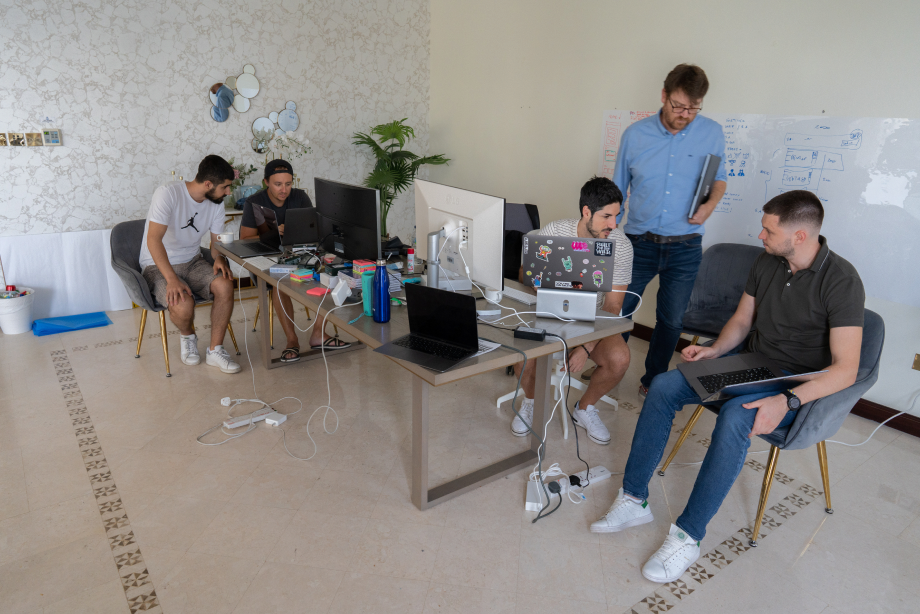
Getting everyone together helped us move fast. But first, we needed to understand what was going wrong for the people on either side of an enquiry.
One big trust problem became three useful ones.
We spoke with 10 consumers—five buyers and five renters—and 10 real-estate agents. Alongside those conversations, we gathered more than 200 survey responses and analysed call-tracking data. The conversations gave us the context; the quantitative data helped us check the patterns.
Three problems kept coming up:
01. Good agents were hard to spot.
People had no reliable way to tell a good agent from a bad one. Choosing who to contact involved more guesswork than anyone wanted when making a decision this big.
02. Consumers couldn’t rate the experience.
After an interaction, there was no way to rate the agent. Good service went unrecognised, and a bad experience had nowhere useful to go.
03. Basic service was falling short.
The biggest frustrations were responsiveness and professionalism. Before anything else, people needed an agent who would actually respond and do the job well.
That gave us something concrete to work with. If we could recognise agents who delivered good service—and make that recognition worth earning—we might help consumers choose better while giving agents a reason to raise their game. That was the hypothesis behind SuperAgent.
The badge was the easy bit.
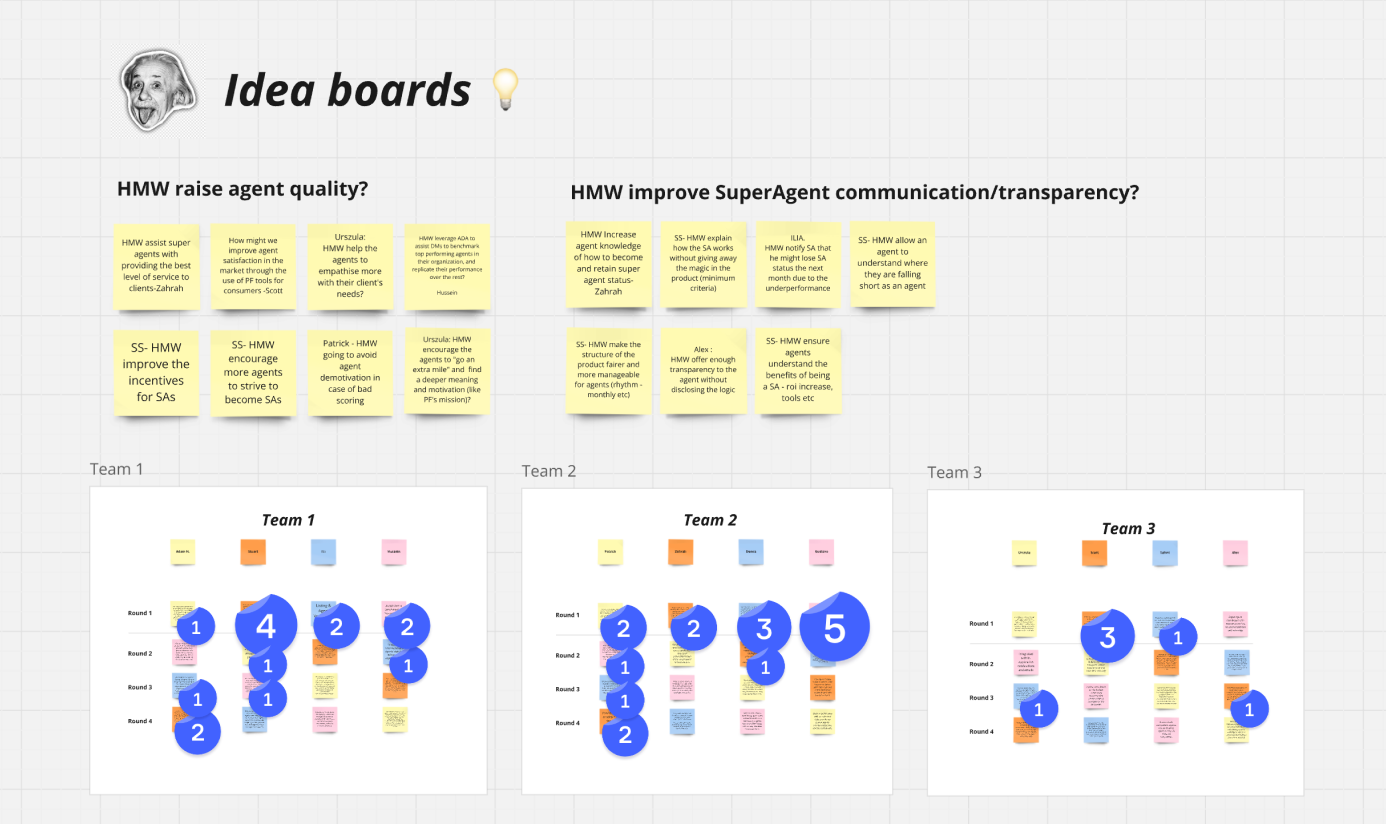
I led the ideation and brainstorming sessions, bringing PMs, engineers, design and marketing together to work through the idea. What should qualify someone? Which data could we use? How would agents understand their status? What would consumers see? And what on earth should we call it?
We explored ideas in groups and voted on directions. The discussion covered incentives, service quality and how much of the qualification logic to explain. Every one of those decisions shaped what we could credibly promise to consumers.
Give the promise something solid to stand on.
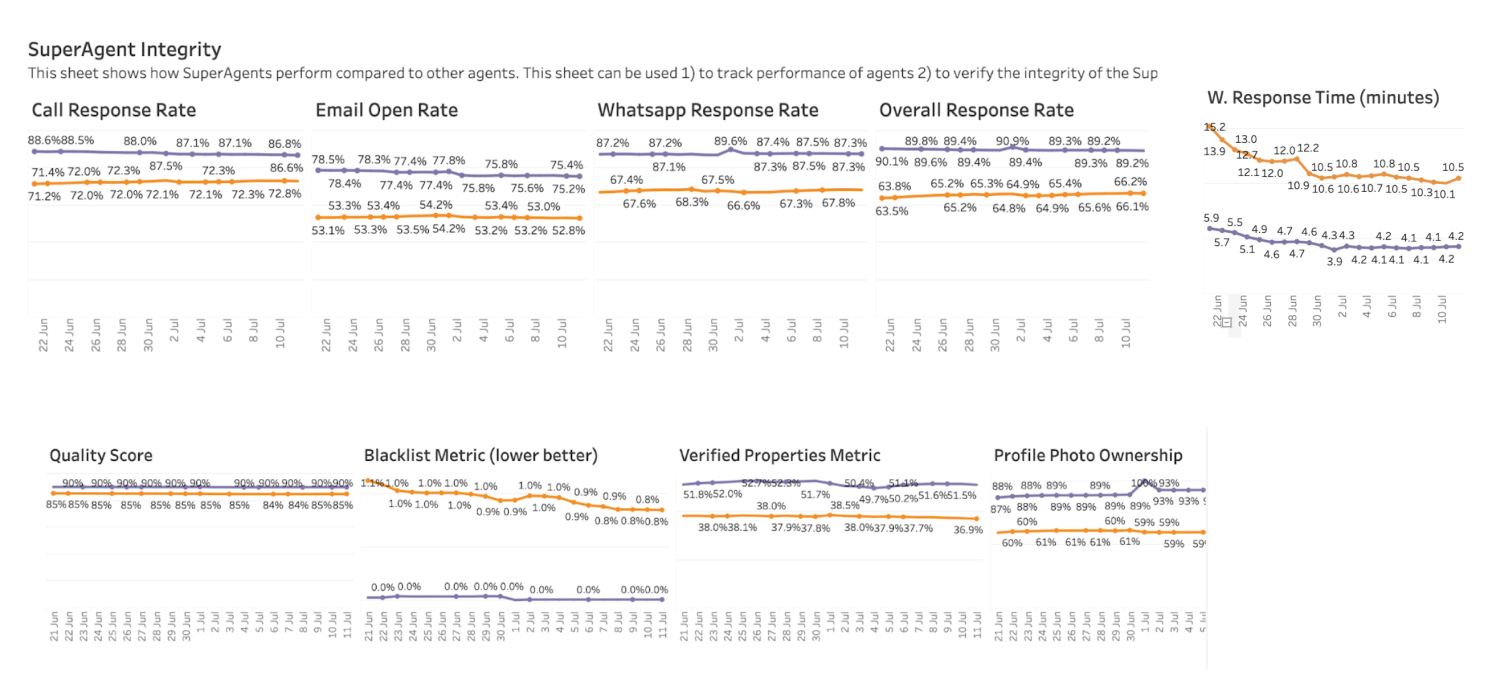
We worked through the data behind qualification: response rates, response times, listing quality and other service signals. We also mapped how to investigate an agent’s eligibility, checking the underlying data in Snowflake against the criteria and any exclusions. “Why am I not a SuperAgent?” needed an answer someone could actually explain.
We also compared SuperAgents’ performance with other agents across response rates, response times and listing quality. The recognition needed to hold up against the service people actually received.
Work out the whole experience.
The name had a job to do, too. It needed to be short, easy to understand and work in Arabic. It had to reward qualifying agents without making everyone else sound terrible. And it couldn’t promise more than we could deliver. We landed on SuperAgent.
From there, we explored the iconography, where recognition should appear, and how people would move through the experience. The whiteboard filled up with badge ideas, placements, sorting logic and the copy needed to explain it all. I led the sessions; the ideas and decisions came from the team.
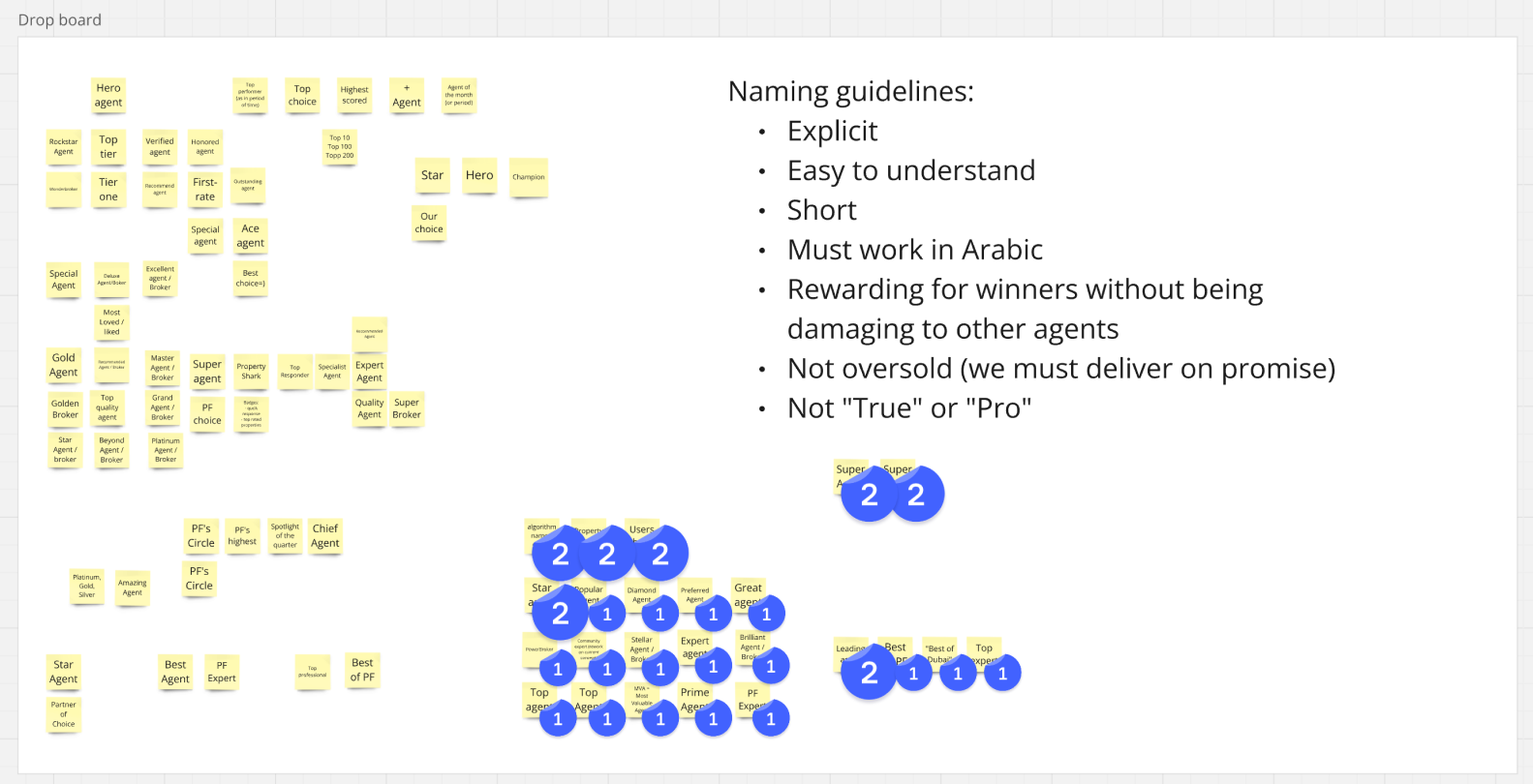
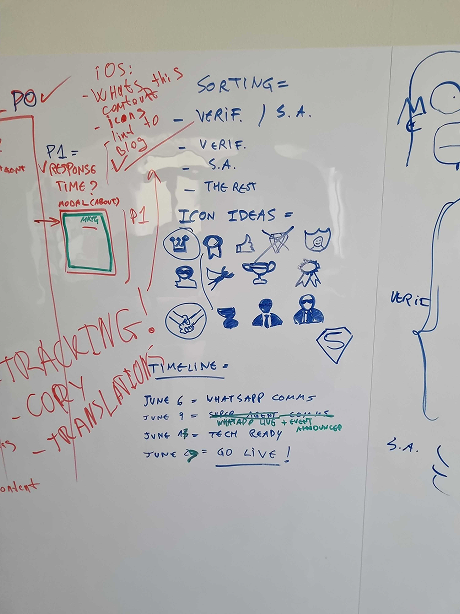
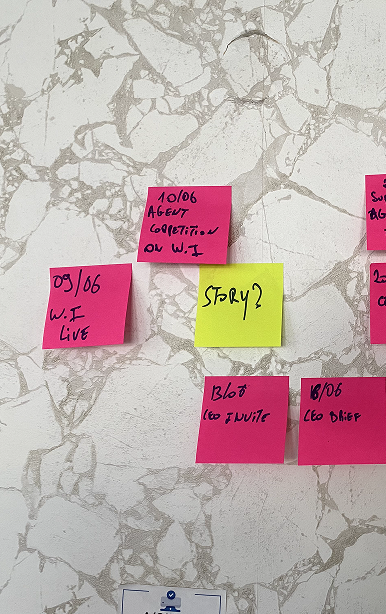
Those decisions gave us the shape of the first version: a way for agents to understand and improve their performance, a visible signal for consumers, and a way to feed the actual experience back in. Now we had to make the whole thing work.
Ship enough to put the idea to the test.
We built and launched an MVP to test the hypothesis in the marketplace. It needed to work on both sides: agents had to understand what they were working towards, and consumers had to recognise the signal when deciding who to contact.
Make improvement actionable for agents.
The agent experience brought status and performance into their day-to-day tools. Response metrics, listing quality and comparisons made it easier to see where they stood and what needed attention. Recognition gave them something to aim for; the dashboard helped them work out how to get there.
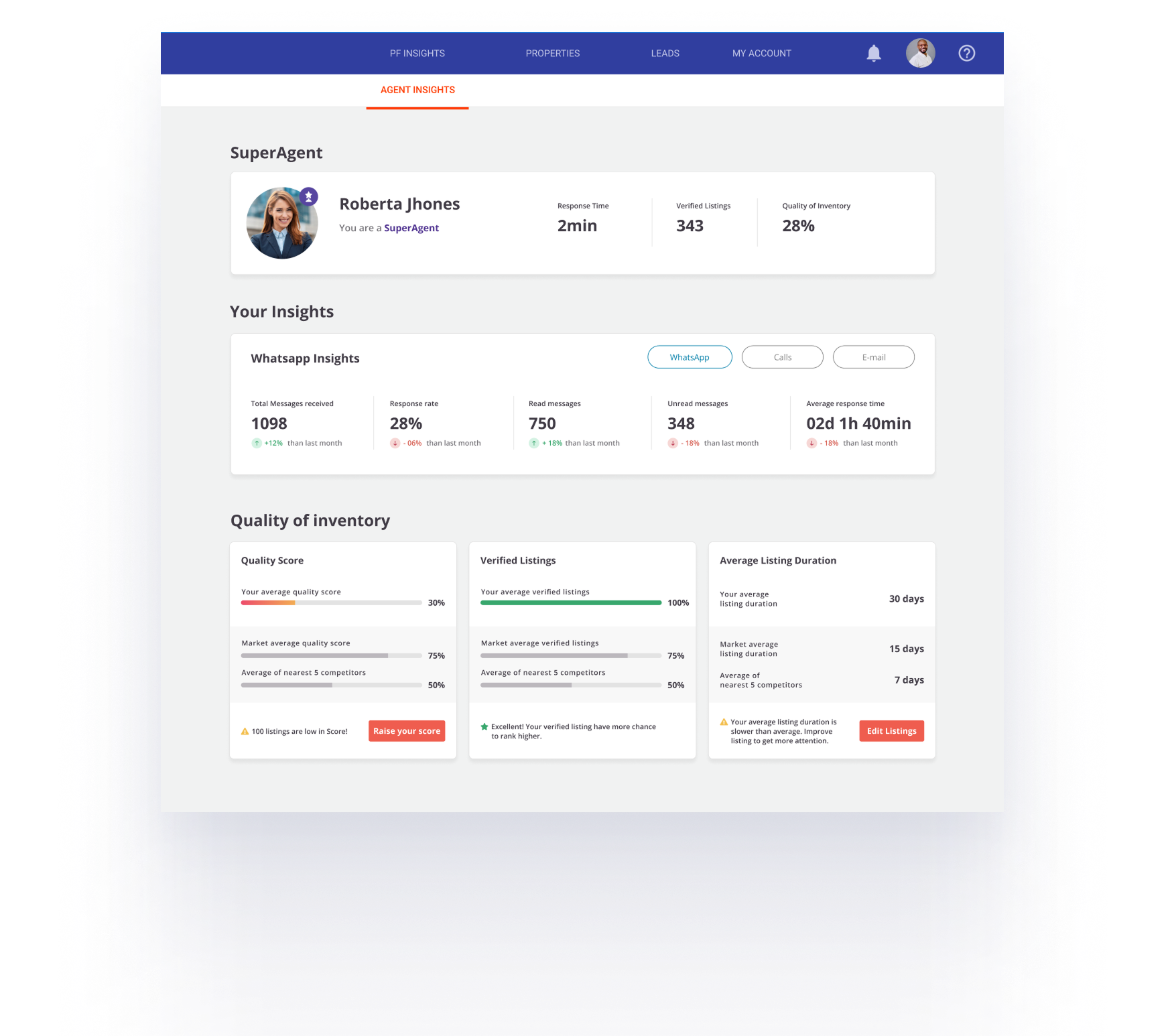
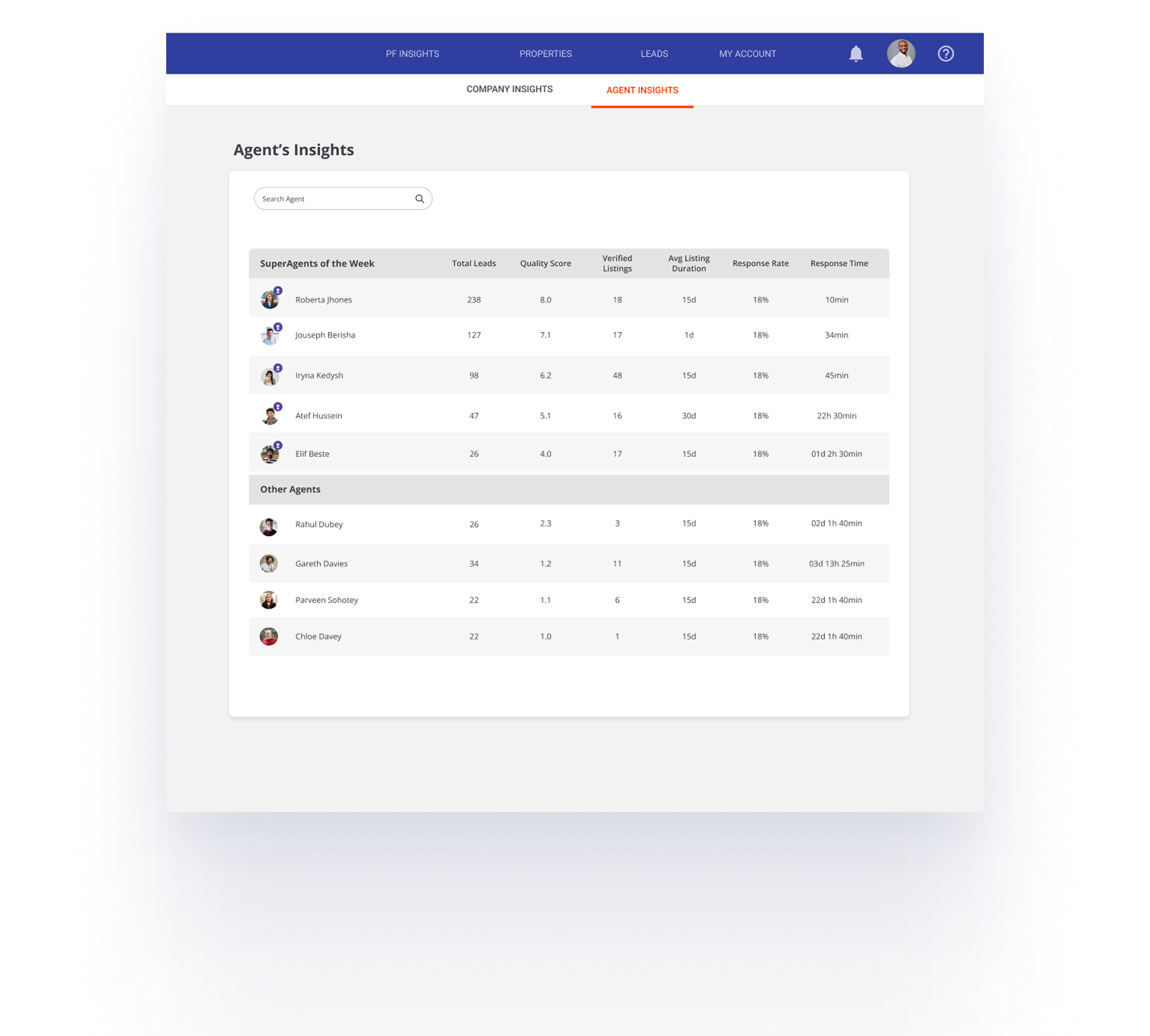
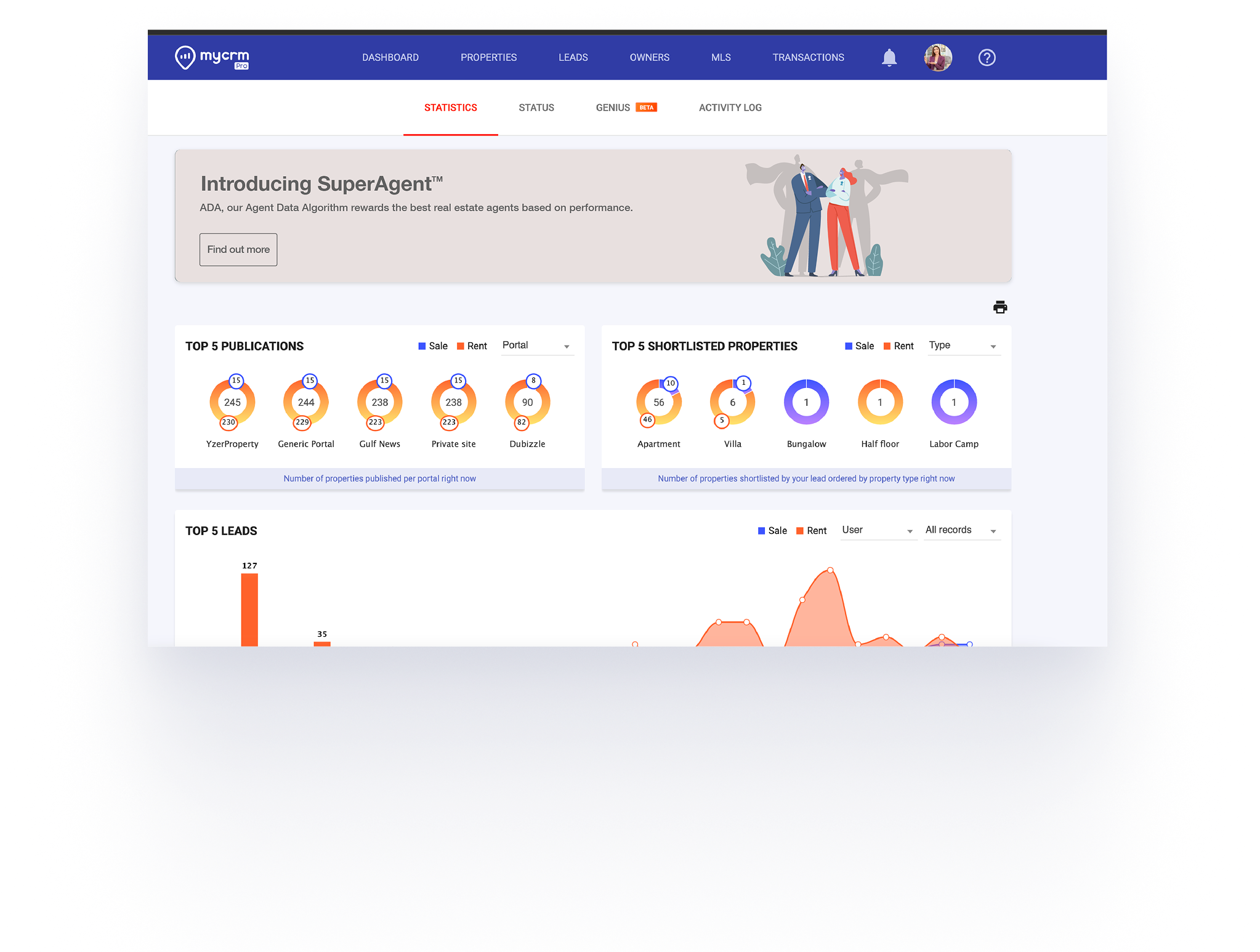
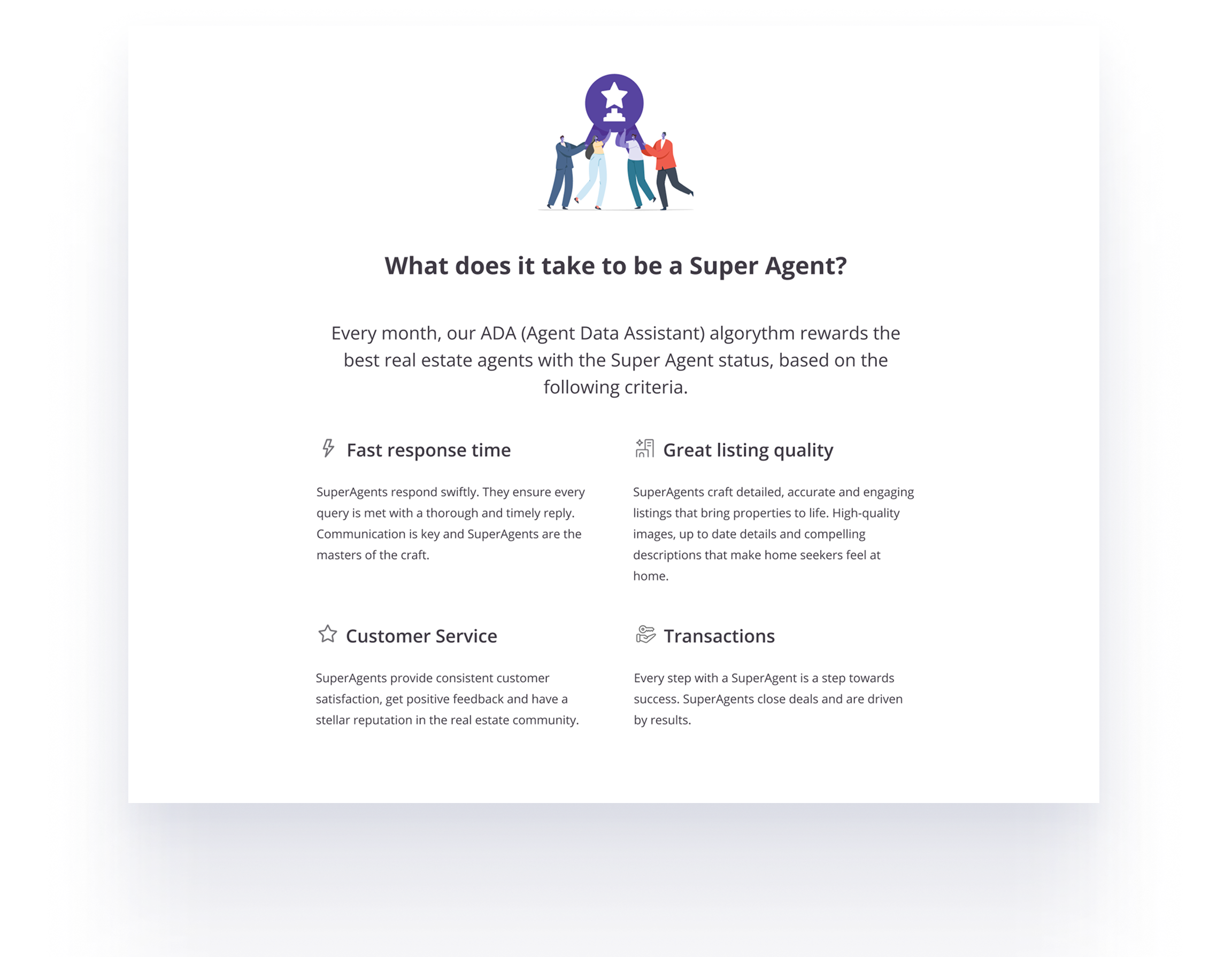
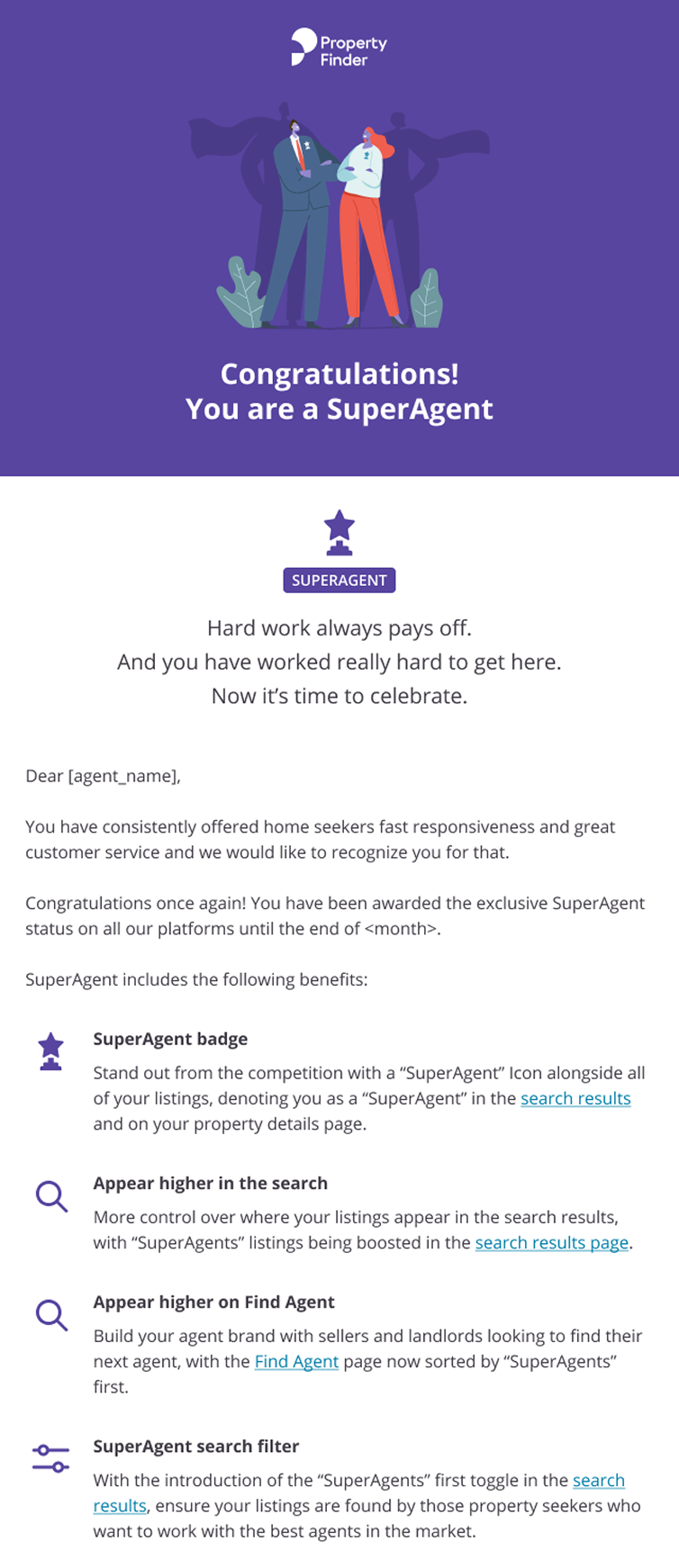
We also needed to explain the programme beyond the dashboard. We created dedicated help-centre sections covering what SuperAgent meant and how agents could qualify, and sent marketing communications to announce the feature. The activation email recognised agents who had earned the status and explained the benefits. A badge is more motivating when you know what it gets you.
Put the signal where people choose.
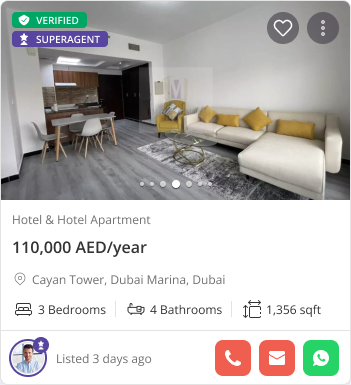
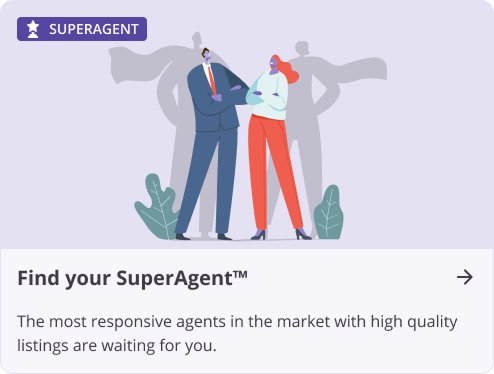
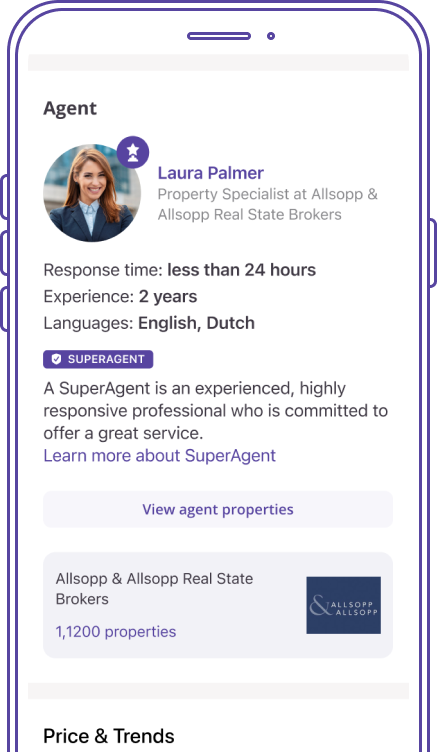
For consumers, SuperAgent appeared on agent profiles, property cards and property details. That brought the answer to “Who can I trust?” into the places where people were already deciding who to contact.
Give consumers a say afterwards.
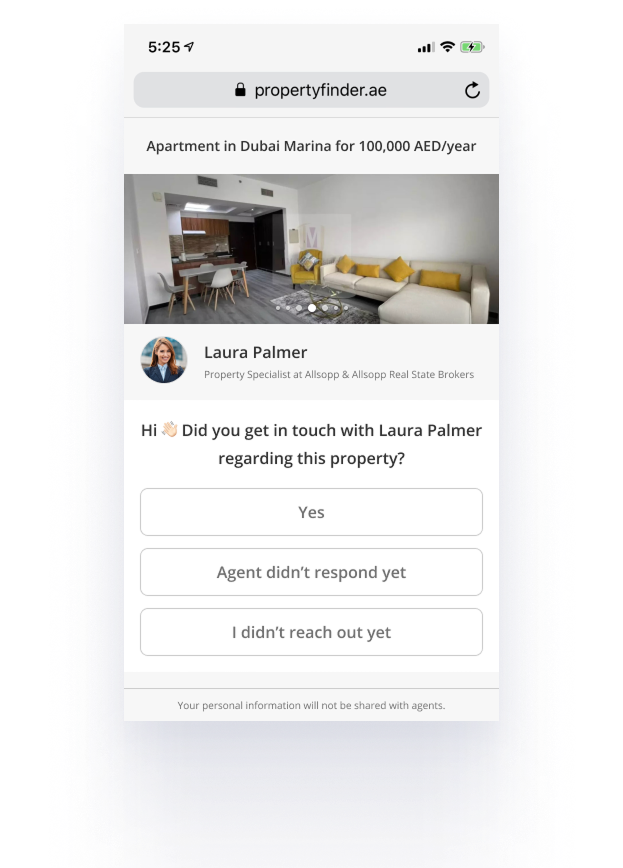
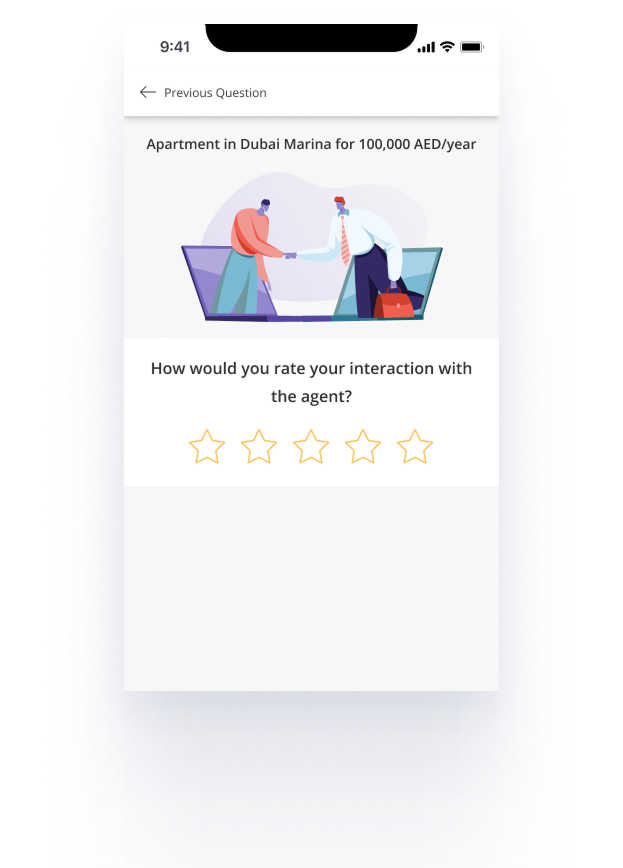
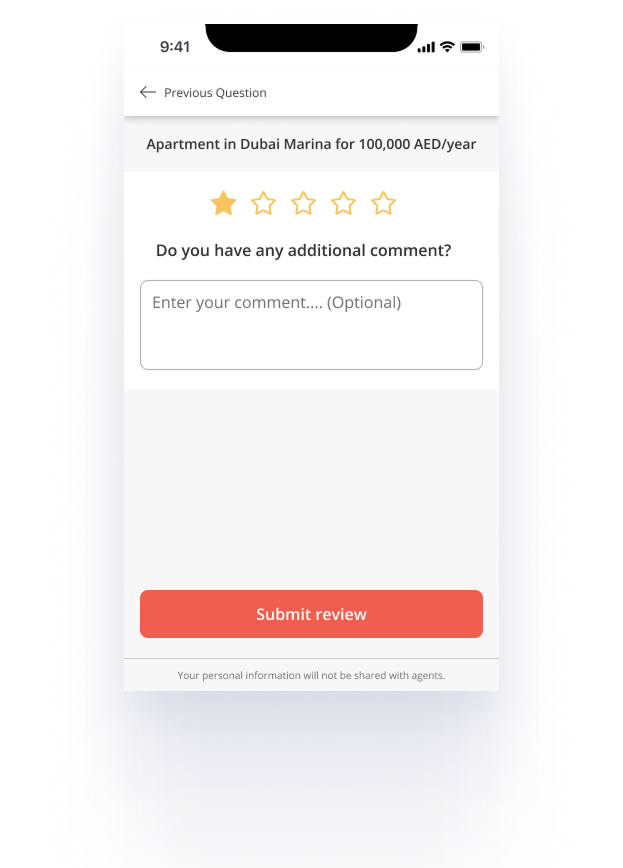
The feedback flow started with a basic question: did you get in touch with the agent? People could report that the agent hadn’t responded, or rate the interaction and leave a comment. This addressed the gap we’d found in research: consumers finally had somewhere to put their experience.
With the first version live, we could return to the question that started the whole thing: was the experience getting better?
So, did it make a difference?
The post-launch numbers were encouraging. The overall Trust Index went from 48 to 68 out of 100. Agent interactions—the weakest part at the start—went from 28 to 65. Listing information improved from 44 to 71.
+45%
Average listing quality
Quality was part of earning SuperAgent status. Average listing quality rose after launch.
+28%
SuperAgent listing conversion
Conversion on SuperAgent listings increased, consistent with greater confidence in who to contact.
+12%
User retention
An encouraging result, with shared credit: other factors contributed to retention too.
What I like about this project is how much of the design happened around the screens: deciding what deserved recognition, checking the data behind it, choosing the name, and making the rules understandable. Working through those questions together gave us something useful to ship. The badge was small. The work that made it worth trusting wasn’t.
The reported improvements may reflect a combination of this work and other factors, rather than this work alone.